
The Different Faces of the Swiss Alps - (Part 2 - The Valais)
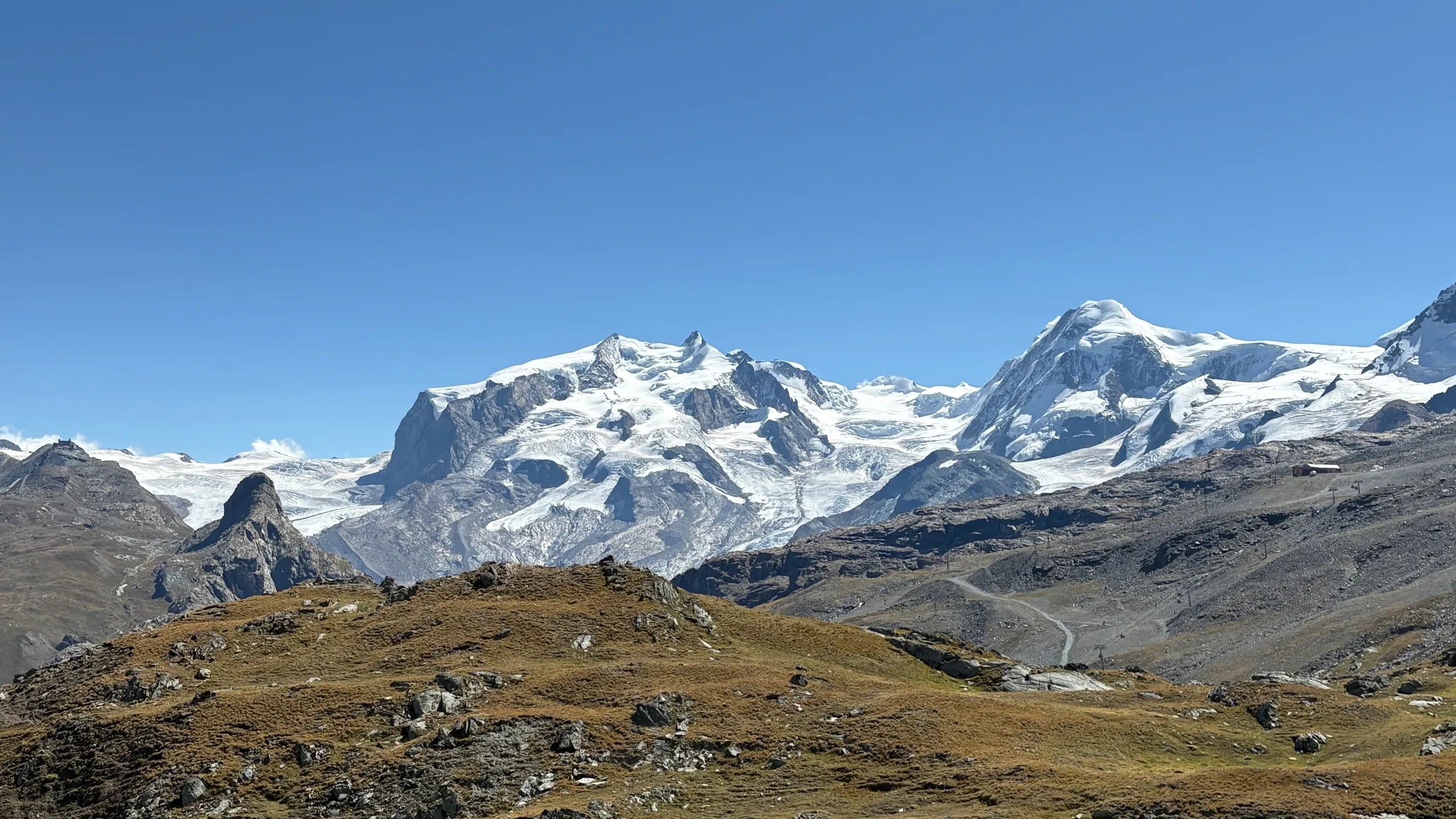
The Swiss canton of Valais defies the traditional image one has of Switzerland. The Alps reach here an almost unmatched sense of raw and solar beauty.
The Different Faces of the Swiss Alps
Part 2 – A Small Alpine Himalaya: Valais, the Region of Zermatt
I dedicated my previous entry to the grandeur of the Berner Oberland, which – I'm not going to lie – is what I consider the most spectacular region of the Swiss Alps. With Part 2, I'm going to take you to the area I think should come a close second: the Valais or, to put it on the map, the region of Zermatt.
The Valais is home to dozens of '4,000ers' – that is to say, peaks exceeding the symbolic threshold of 4,000 meters of altitude, a benchmark for alpine giants – and in fact, there are more 4,000ers here than in any other Swiss canton. Among these mountains, at the southern border of the region, lies the Matterhorn.
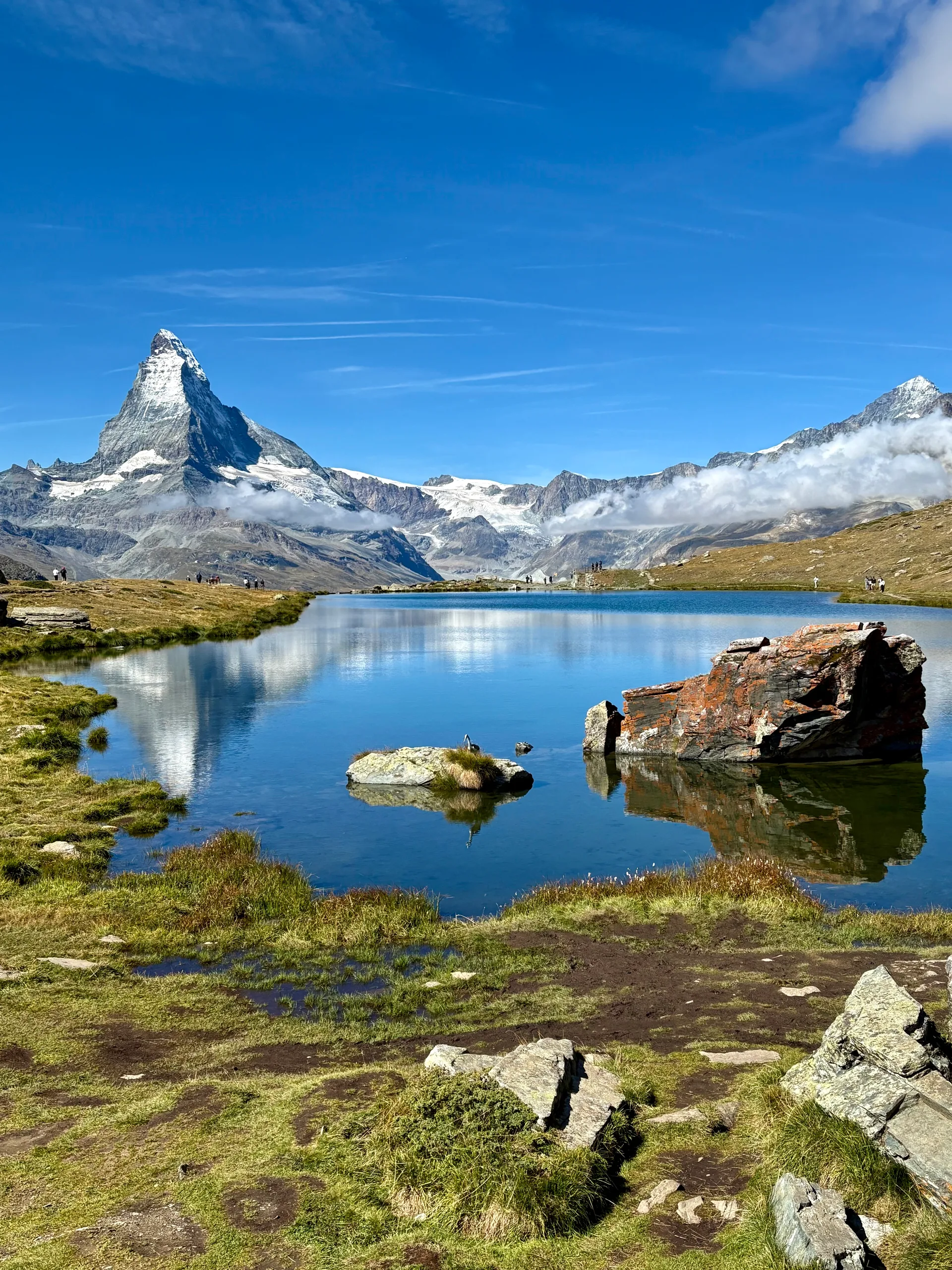
But the Matterhorn, with all its unmatched beauty, is by far not the highest mountain in the area. A couple of kilometers to the east and to the north, even higher and loftier rocky giants scratch the sky: the Weisshorn (4,505 m), the Täschhorn (4,491 m) and Switzerland's highest point, the Dufourspitze (4,634 m) – to name a few.
Vertical peaks, windswept valleys, relentless sunshine shimmering on huge glaciers streaming down from the heights: the Valais is, in fact, a sort of Himalaya on a small scale. And here is one surprising aspect of it: most visitors who come to Switzerland have a very specific image of the country in mind: green mountains, grazing cows, snowcapped peaks and charming villages on rolling hills; but large areas of the Valais – including the region around Zermatt – are not like that. Save for the snowcapped mountains, much of the familiar Swiss idyll is often absent.
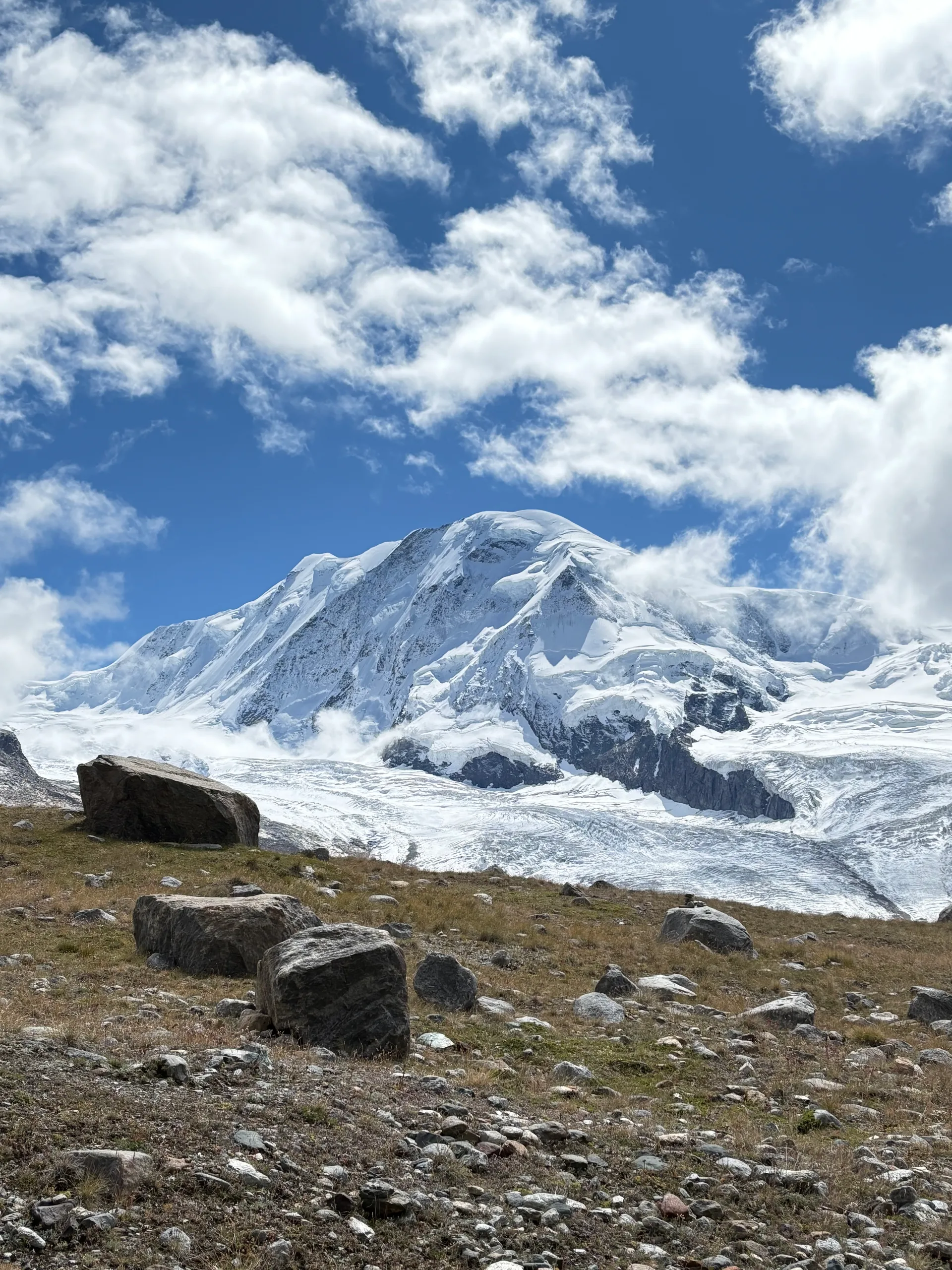
In some valleys, there are no cows, no verdant slopes and no charming towns. Valais' mountainsides are often too rugged and steep to sustain cow farming (you'll find goats and sheep instead), the lush green often gives way to drier vegetation as summer progresses, and the villages are often just hamlets, perched on natural ledges overlooking cliffs or hidden at the bottom of deep and narrow valleys. Often, the distance from the valley floor to the highest peaks is such that they almost seem to belong to two different worlds.
The Valais is a world of persistent sunshine and eternal ice; a mineral cosmos of glaciers, moraines, larches and steppe-like grass, where human settlements seem like wooden toy homes scattered on the sides of huge mountains.
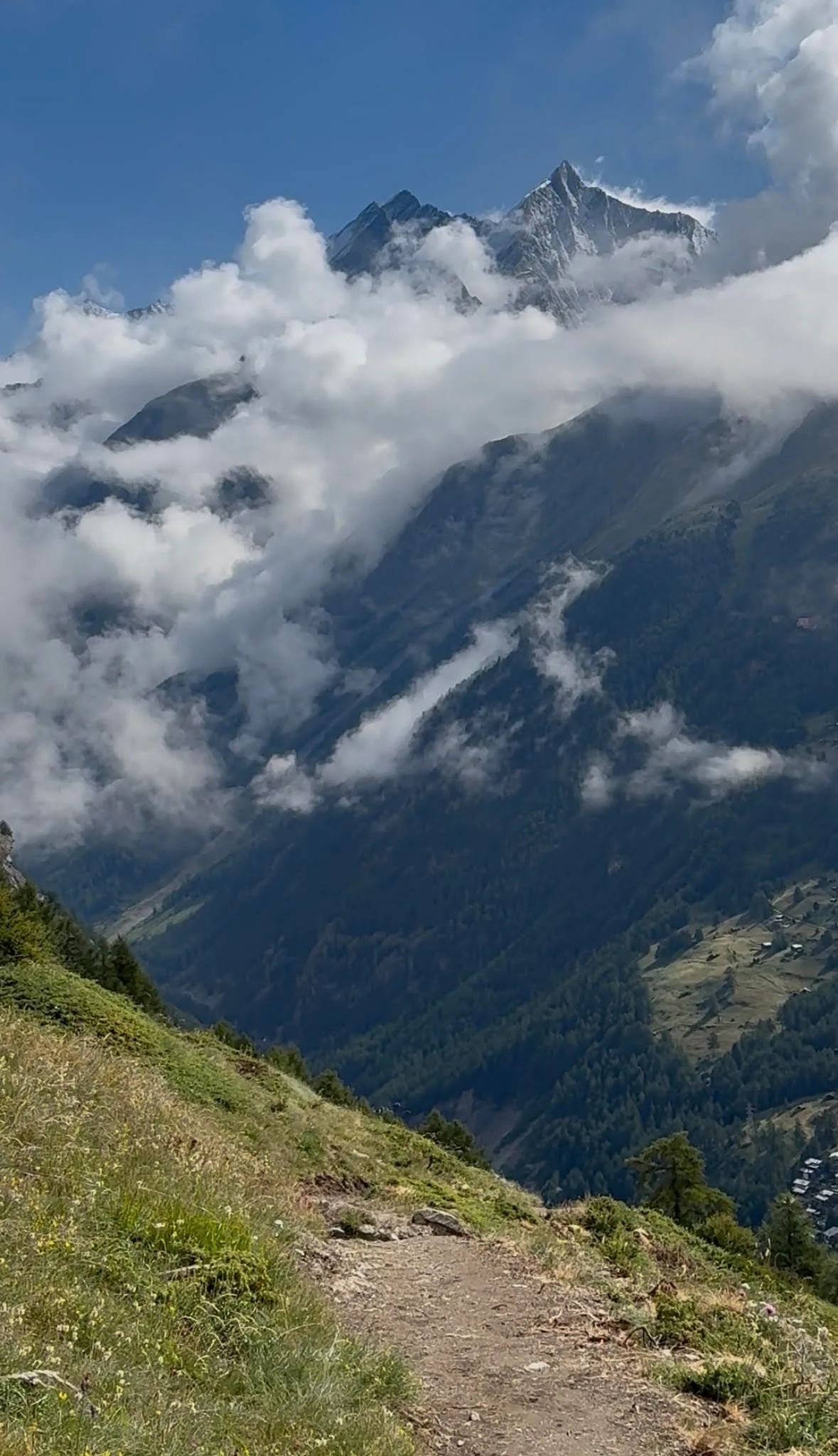
There are, of course, places where one can find cows or gentler mountain slopes topped with cute farms, but they are the exception in the landscapes I'm describing. In general, while the Berner Oberland appears grand, verdant and even theatrical, the high Valais is severe, dry and monumental. And in Zermatt one only gets a foretaste: the Valais extends far beyond the ridges surrounding the Matterhorn; Zermatt is just the tip of the iceberg.
Valais is beauty in its rawest form, without the idyllic element. And if a traveler is willing to challenge the image they have of Switzerland, I couldn't think of a better place to start.