
What to expect
Accommodation
From alpine huts at 2,500m to boutique hotels in the valley — always with character.
Where you sleep is a vital part of the mountain experience. At Red Fox Trails, we reject the anonymous comfort of chain hotels in favour of places with genuine alpine character — properties that tell the story of their location, that serve food from their own gardens, and that are run by people who chose to live in the mountains because they love them. Here is an overview of the accommodation types you will encounter on our tours.
Mountain Huts (Rifugi / Hütten / Cabane)
The mountain hut is the most authentic accommodation in the Alps, and staying in one is an experience unlike any hotel. Perched at 2,000-3,000m, often accessible only on foot, the hut is a world unto itself: a place of warmth, community, and extraordinary views. You share a table with fellow hikers from a dozen different countries, exchange route information over a bowl of Minestrone or Gulaschsuppe, and fall asleep to the sound of wind on the roof and wake to a sunrise that no luxury hotel can match.
We are selective about which huts we include in our itineraries. We look for huts with good private room options (not just large dormitories), excellent food that uses local ingredients where possible, hot showers, and — critically — extraordinary locations. The Rifugio Lagazuoi in the Dolomites, accessible by cable car from Falzarego Pass, has a 360-degree view that takes in the Marmolada, the Tofane, and the Civetta. The Hörnlihütte in Zermatt sits at the foot of the Matterhorn's north-east ridge and provides a front-row seat to the most famous mountain profile in the world.
Many of the mountain huts we stay in have been operated by the same family for three or four generations. The Hüttenwirt (hut keeper) is often one of the most knowledgeable people about the surrounding terrain — a living encyclopedia of local mountain history and ecology.
Boutique Hotels & Guesthouses
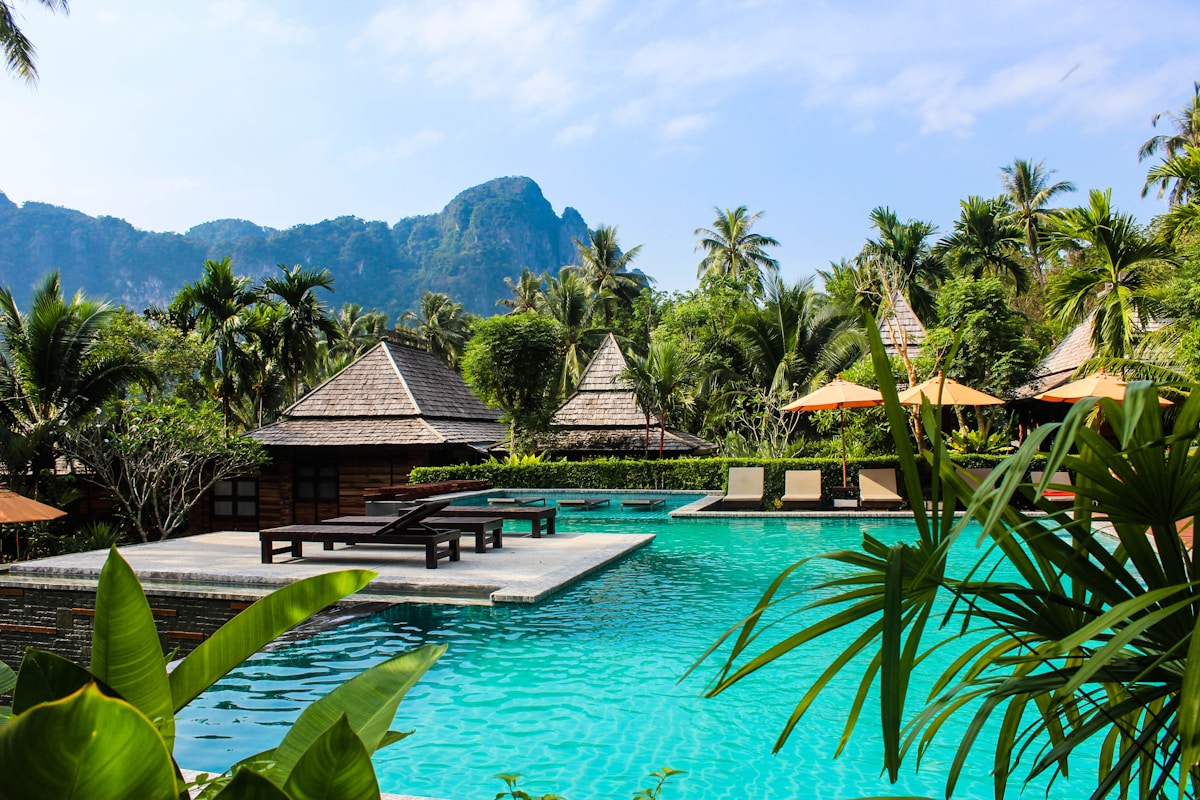
In the valleys, we stay in carefully selected small hotels and guesthouses that prioritize local character over international homogeneity. We look for properties that use local materials in their construction, that serve food sourced from regional producers, and that are run with genuine hospitality rather than the professionally detached service of larger hotels.
In the Swiss Engadin, we use a family-run hotel in Guarda — a UNESCO-protected Romansh village — where the owner is a fourth-generation hotelier who also makes his own Graubünden wine. In the Dolomites, we stay at an agriturismo in the Val di Funes where the guests eat what the farm produces and the view from every window is the jagged profile of the Odle group. In Menorca, we use a converted 18th-century farmhouse (finca) on the island's west coast — a white-walled building surrounded by olive groves, with a pool and direct access to the Camí de Cavalls.
Unique Stays
On some of our itineraries, we include accommodation that is genuinely exceptional. Shepherds' stone huts (mitata) in the White Mountains of Crete, converted into simple but charming guesthouses. A historic posada in the medieval village of Fornalutx in Mallorca's Tramuntana. A wooden Górale farmhouse in the Tatra foothills where the family still makes cheese from their own flock of Tatra sheep. These are not places you find on booking platforms — they are places we have discovered through years of exploration and built relationships with over time.
Our Accommodation Standards
Regardless of type, every accommodation we use meets our non-negotiable standards: clean, safe, and comfortable private rooms (we do not put guests in large mixed dormitories without their explicit request); wholesome and substantial meals served at reasonable hours; and hosts who treat our guests with genuine warmth. Luxury is not our benchmark — character, authenticity, and quality are.
Ready to explore?
Get in touch and we'll plan your perfect adventure.